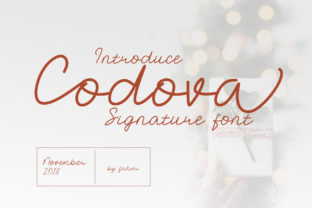
Cordova Script Font: Elevate Your Brand Identity
It was a Tuesday afternoon, and I was staring at a stack of plain white boxes that were supposed to hold our new line of artisanal soaps. The product inside smelled like lavender and calm, but the packaging felt cold and impersonal. I had spent weeks perfecting the scent and the ingredients, yet the visual presentation lacked the warmth I wanted customers to feel the moment they picked up the box. That is when I realized that my choice of typography was doing more harm than good. I needed something that didn’t just communicate information but conveyed emotion. That search led me to Cordova, a signature script from Script Amp that changed how I approach brand aesthetics.
For small business owners, entrepreneurs, and creative consultants, typography is often an afterthought. We focus on logos, colors, and product quality, assuming the font is just a vessel for words. However, in the world of modern typography, the typeface you choose acts as the voice of your brand. Codova is not just a set of letters; it is a funtastic, lovely, and elegant signature script with so much energy. It allows you to create wonderful handwriting typography with style in an instant, bridging the gap between professional polish and personal touch.
The Personality of Handwritten Typography
When we talk about brand identity, we are really talking about trust. Customers buy from people, not faceless corporations. A rigid, standard sans serif font might look clean, but it can sometimes feel distant. On the other hand, a messy handwritten font can look amateurish if not chosen carefully. Codova sits perfectly in the sweet spot. It possesses the fluidity of natural handwriting but maintains the structural integrity of a premium font designed for commercial use.
The energy in Codova is palpable. It feels spontaneous, as if written with a brush in a single, confident motion. This makes it ideal for businesses that want to appear approachable and authentic. Whether you are running a boutique coffee shop, a handmade jewelry store, or a digital coaching practice, this font adds a layer of humanity to your materials. It tells the customer that there is care and attention behind every detail. In my experience, switching to a script font like Codova for key headlines transformed our packaging from generic to gift-worthy.
Real-World Applications for Small Businesses
So, where does Codova actually shine in a real business context? It is versatile, but it thrives in situations where you want to capture attention quickly and emotionally. Here are a few ways I have integrated it into various projects:
- Product Labels and Packaging: For our soap boxes, I used Codova for the product name, such as "Lavender Dream." The elegant curves of the letters complemented the minimalist design without overpowering it. It made the label feel like a personal note rather than a mass-produced sticker.
- Social Media Graphics: In the fast-paced world of Instagram and Pinterest, visuals need to stop the scroll. Using Codova for quote graphics or promotional announcements adds a stylish flair that stands out against the noise of standard digital ads.
- Thank-You Cards: Including a handwritten-style note in every order boosts customer loyalty. Printing these cards with Codova gives them the appearance of being personally signed, enhancing the unboxing experience.
- Menu Design: For café owners, a menu needs to be readable but also inviting. Using Codova for section headers like "Specials" or "Seasonal Drinks" adds a touch of elegance while keeping the body text in a clean sans serif for easy reading.
The key is balance. Codova is a display font, meaning it is designed to be seen at larger sizes or for short phrases. It is not intended for long paragraphs of body text. By using it strategically for headlines, logos, and decorative accents, you maintain readability while maximizing visual impact.
Pairing and Readability Tips
One of the most common mistakes non-designers make is pairing two complex fonts. Since Codova is a detailed script font with lots of personality, it needs a partner that plays support. I highly recommend pairing it with a clean, modern sans serif font. This contrast ensures that your design remains legible, especially on small mobile screens or tiny product labels.
For example, if you are designing a candle jar label, use Codova for the scent name in a large, bold size. Then, use a simple sans serif for the weight, burn time, and ingredients. This hierarchy guides the eye naturally. The script draws attention, and the sans serif provides the necessary information. Avoid pairing Codova with another script or a heavy serif font, as this can create visual clutter and reduce the professional look you are aiming for.
Readability is also crucial for printed materials. Always test your design at actual size before sending it to print. What looks clear on a computer monitor might become illegible when shrunk down to a sticker. Codova performs well in medium to large sizes, but for very small tags or fine print, stick to simpler typefaces to ensure your customers can read the details without straining their eyes.
Technical Considerations for Commercial Use
Before you download and start designing, it is important to understand the technical side of using a commercial font. Codova comes with various features that enhance its flexibility. Look for included styles, alternates, and ligatures. Alternates allow you to swap out certain letters for different variations, giving your text a more natural, less repetitive look. Ligatures connect certain letter pairs smoothly, which is essential for maintaining the flow of a signature script.
Always check the file formats provided. You will typically need OTF or TTF files for desktop design software like Adobe Illustrator or Photoshop, and WOFF files for web design if you plan to use the font on your website. Ensuring you have the right commercial font licensing is critical. If you are selling physical products, creating digital downloads, or working on client projects, make sure your license covers these uses. Script Amp generally provides clear licensing terms, but it is always wise to double-check to avoid legal issues down the road.
Multilingual support is another factor to consider if you have a global audience. Check if the font includes the special characters and accents needed for the languages your customers speak. This attention to detail shows respect for your diverse customer base and ensures your brand identity remains consistent across different markets.
Building a Consistent Visual Language
Ultimately, the goal of using a font like Codova is to build a recognizable and trustworthy brand. Consistency is key. Once you choose Codova as part of your brand identity, use it consistently across all touchpoints. From your website banner to your business cards, from your packaging to your email signatures, this repetition helps customers associate the style of the font with your business values. Over time, that elegant, energetic script becomes a visual shortcut for your brand’s personality.
In a crowded marketplace, standing out requires more than just a good product. It requires a cohesive story told through every visual element. Codova offers a way to tell that story with warmth, elegance, and energy. It transforms ordinary text into memorable design assets that resonate with customers on an emotional level. Whether you are refreshing your logo design, updating your editorial design layouts, or creating new social media graphics, this typeface provides the professional polish and creative flair needed to elevate your business presence.
By choosing the right tools and understanding how to apply them, you can turn simple words into powerful branding statements. Codova is more than just a font; it is a design partner that helps you communicate the heart of your business with style and confidence.