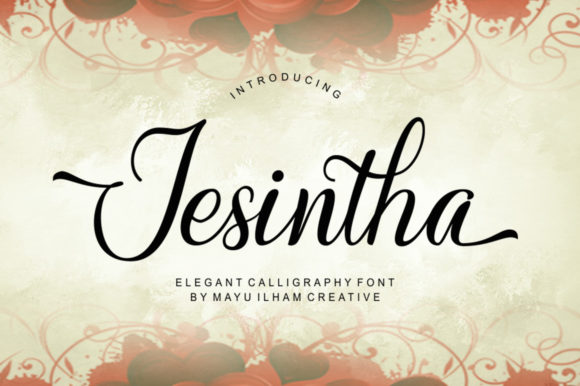
Jesintha: The Elegant Script Font for Crafters
As a small business owner who spends hours designing labels, invitations, and printable templates, I know that the right typeface can make or break a product. We are not just selling paper or vinyl; we are selling an emotion, a vibe, and a sense of occasion. This is why discovering Jesintha felt like finding a missing piece in my design toolkit. Part of the Script Amp collection, this formal script font brings a level of sophistication that instantly elevates handmade goods from "cute" to "luxurious."
If you create wedding stationery, boutique packaging, or high-end digital downloads, you understand the need for a font that balances readability with artistic flair. Jesintha delivers exactly that. It is not just another handwritten font; it is a carefully crafted typeface designed to mimic the fluidity of traditional calligraphy while maintaining the consistency needed for commercial production.
Elevating Handmade Products with Luxury Typography
When customers browse Etsy or visit a local craft fair, their eyes are drawn to aesthetics before they read the details. The visual personality of Jesintha is warm, inviting, and undeniably elegant. Its strokes flow seamlessly, creating a luxurious style that suggests quality and attention to detail. For those of us making physical products, this perceived value is crucial.
Consider the impact on wedding invitations. This is one of the primary use cases for Jesintha, and for good reason. When you print a couple’s names in this formal script, it commands respect and sets a romantic tone immediately. But its utility extends far beyond nuptials. Imagine using Jesintha for restaurant menus in a cozy bistro, or as the headline font for a high-end greeting card line. The font’s charm lies in its ability to feel personal yet professional, a rare combination in the world of digital fonts.
Practical Applications for Makers and Sellers
For crafters using cutting machines like Cricut or Silhouette, Jesintha offers versatility across various materials. However, because it is a display font with intricate connections, it shines brightest in specific applications. Here is how I integrate it into my shop:
- Wedding Stationery: Use Jesintha for the main headers on save-the-dates, welcome boards, and place cards. The ligatures and swashes add a custom touch that looks hand-lettered.
- Boutique Packaging: Apply this script to thank-you cards included in shipped orders. It adds a personal signature feel that strengthens brand identity.
- Home Decor Signs: For farmhouse or modern chic wall art, Jesintha works beautifully for short, impactful phrases. Think "Welcome," "Gather," or family names on wooden signs.
- Product Labels: While best for titles, it can be used on candle labels or soap packaging if the text size is large enough to maintain clarity.
- Digital Printables: Create planner covers, journal headers, or social media graphics that require a touch of elegance without feeling stiff.
The key to using Jesintha effectively is understanding its role as a decorative element. It is not designed for long paragraphs of body text. Instead, treat it as the jewelry of your design. Use it for names, titles, and short quotes where the curves and loops can be appreciated. This approach ensures that the font remains readable and attractive, preventing the clutter that can occur when complex scripts are used excessively.
Readability and Production Tips
One concern many crafters have with formal script fonts is readability, especially when scaling down for small stickers or product tags. Jesintha is designed with clear character distinction, but practical testing is always recommended. Before running a full batch of vinyl decals or printing hundreds of invitation suites, always create a test cut or print proof.
Pay close attention to the spacing between letters. In some script fonts, tight kerning can cause letters to merge, making them difficult to decipher. Jesintha generally handles this well, but adjusting the tracking slightly can improve legibility on smaller items like jewelry tags or favor boxes. If you are using this for SVG-style designs, ensure that your cutting software recognizes the connected paths correctly to avoid unnecessary weeding issues.
For digital downloads, such as printable wall art or editable templates, provide preview images that show the font at various sizes. This helps customers understand how Jesintha will look in their own projects, reducing confusion and returns. Remember, clarity is kindness in customer service.
Pairing Jesintha for Balanced Designs
A common mistake in typography is pairing two complex fonts. Since Jesintha is an expressive script font with significant visual weight, it needs a calm companion. The best pairings are clean, simple typefaces that do not compete for attention.
Try combining Jesintha with a modern sans serif font for a contemporary look. This contrast works exceptionally well for magazine layouts, social media graphics, and minimalist wedding invites. The simplicity of the sans serif allows the luxury of the script to stand out. Alternatively, a classic serif font can create a more traditional, timeless aesthetic, perfect for vintage-inspired branding or formal announcements.
When building your brand identity, consistency is key. If you choose Jesintha as your primary display font for logos and headlines, stick with the same secondary font for all body text across your website, packaging, and marketing materials. This creates a cohesive brand image that customers will recognize and trust.
Licensing and Commercial Use
Before adding any new asset to your creative library, it is vital to review the licensing terms. Jesintha is a commercial font, which means it is suitable for use in products you intend to sell. This includes physical items like mugs, shirts, tote bags, and printed stationery, as well as digital products like templates and printables.
However, always double-check the specific license included with your download from Script Amp. Some licenses may have restrictions on the number of units produced or require an extended license for large-scale merchandise. Understanding these boundaries protects your business and ensures you are respecting the work of the type designer. For most small shop owners and handmade sellers, the standard commercial license covers the majority of typical uses, from client work to direct-to-consumer sales.
Incorporating Jesintha into your design assets is more than just choosing a pretty font; it is a strategic decision to enhance the perceived value of your creations. Whether you are designing a single birthday invitation or a full suite of branding materials, this typeface offers the elegance and versatility needed to stand out in a crowded market. By focusing on readability, thoughtful pairing, and proper licensing, you can leverage Jesintha to build a stronger, more beautiful brand.